Concept
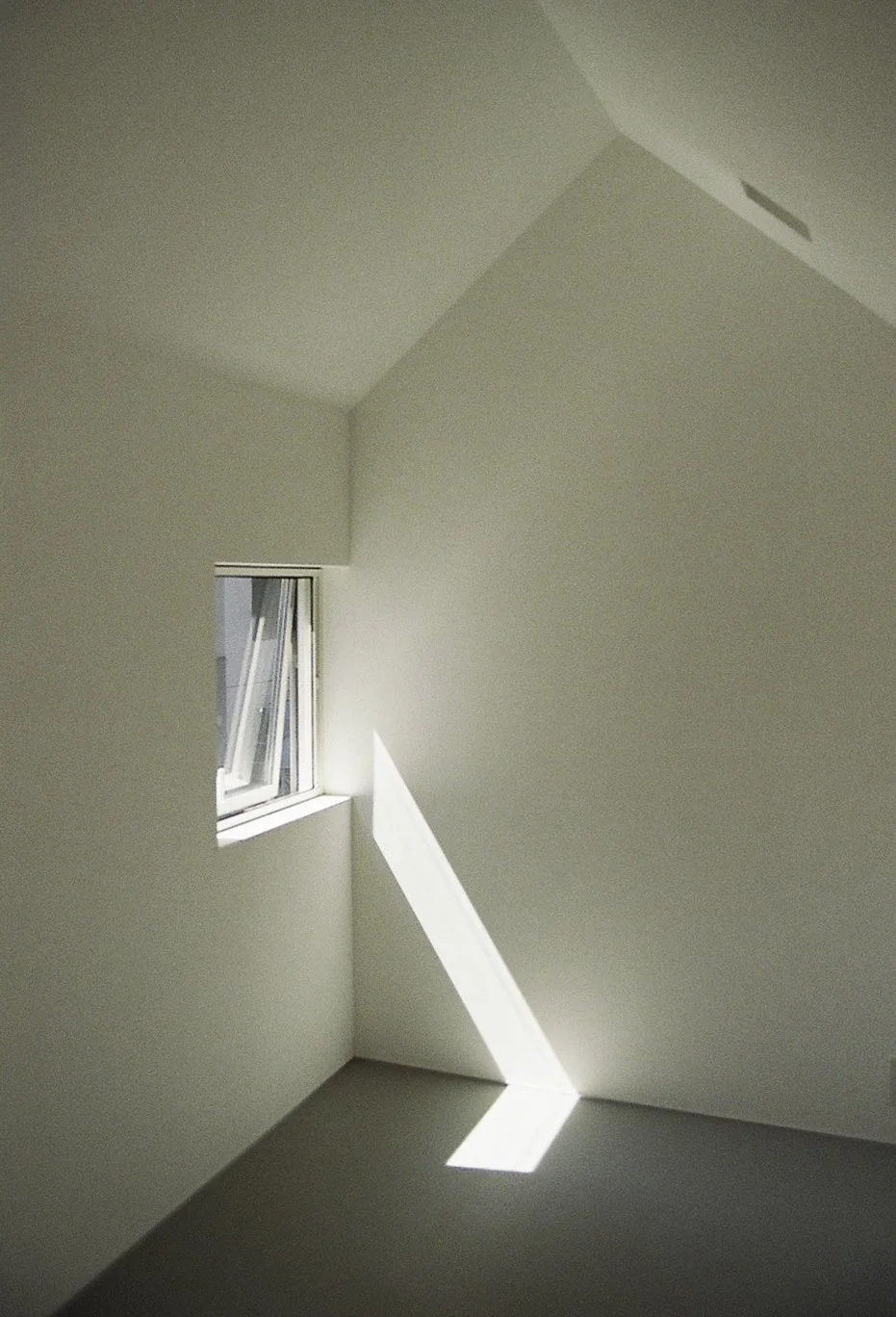
暮らしの中に静寂を生み出したい。
ふとした時に感動し、思わず体が動いてしまうような、そんな気づきや発見のあるような現象を日常に生み出したい。
We hope to create moments in daily life that move people—small discoveries that gently inspire action or awareness.
・Environment
私たちは環境を重要視します。敷地の環境を読み解き、どのように建物と関係付けるか、あるいは関係付けないのか。様々な検討を重ねる中でより良い建ち方というのが見えてきます。また、建物は出来上がるとその周辺の環境を変えてしまうほどの影響力があり、建築そのものが新たな環境を生み出します。建築を考えることは環境そのものを考えると同義なのです。
We care deeply about the environment.
Every project begins with an in-depth site study to determine how the building can best connect with its environment.
For instance, on a recent project, we analyzed the sun’s path and prevailing winds, which guided our decisions on window placement for optimal natural light and ventilation.
By understanding these environmental factors, we can make informed decisions about whether the building should harmonize with or stand apart from its surroundings.
With careful thought, the right way to build becomes clear.Once complete, a building can change its surroundings.
In this way, it does not just sit in an environment, it helps create one. Thinking about architecture is, in the end, thinking about the environment itself.

・Energy & Comfort
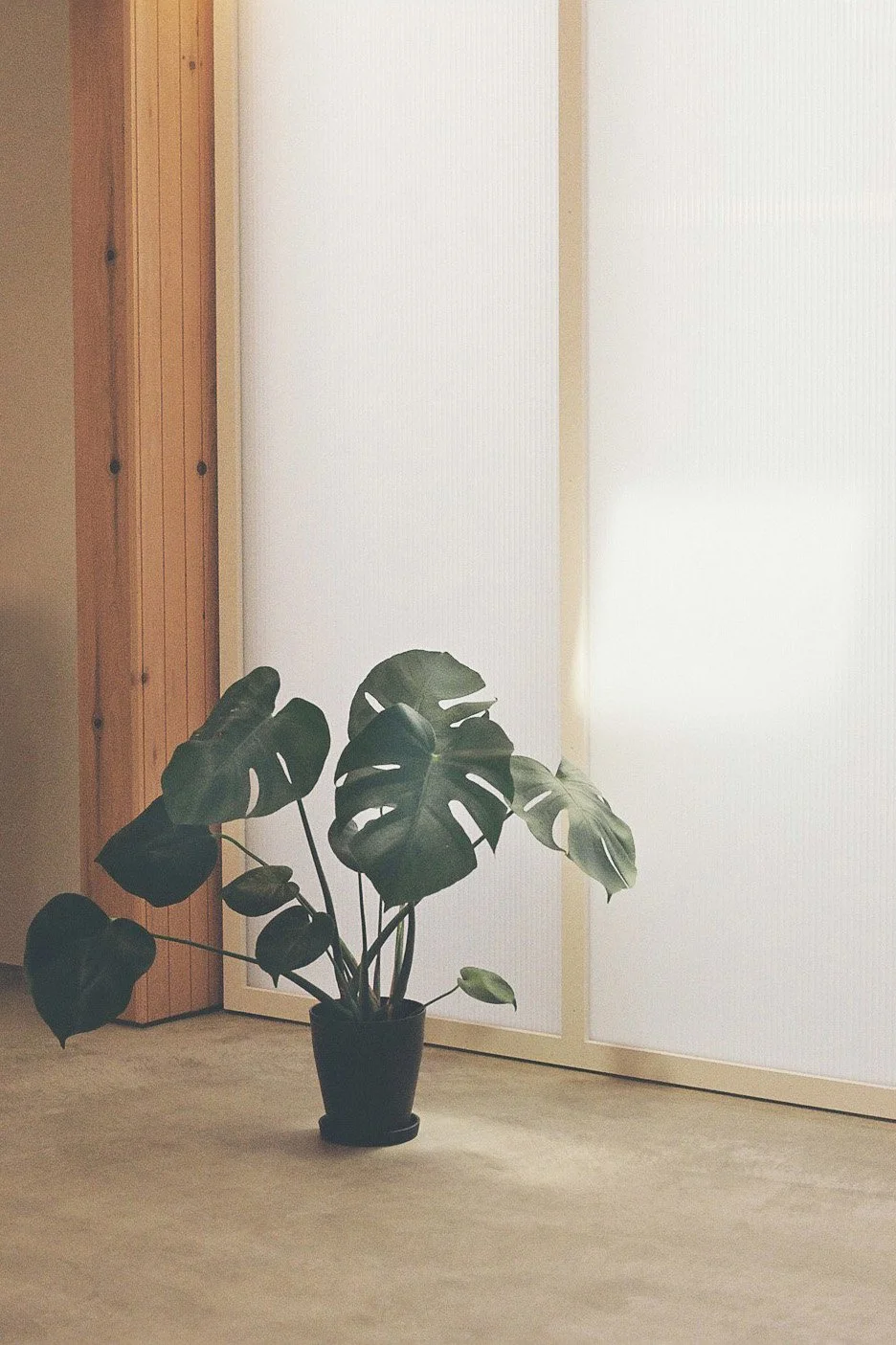
私たちは高性能で、持続可能な住まいを提供します。具体的には長期優良住宅や、省エネ化、パッシブハウス等の考えも大事にしています。特に北海道においては高水準な断熱性と気密性が求められ、同時に心地の良い住まいにするためには、換気や空調等の風や熱の動きを読むことで、より快適な環境を整えることが何よりも大切です。
We create homes that are both high-performing and sustainable.
We draw on ideas like building long-lasting, high-quality homes, using energy-efficient methods, and followingpassive house principles.
In Hokkaido, for example, buildings must meet strict standards for insulation and airtightness.
But real comfort comes from understanding how air and heat move through a home and from shaping these flows through good ventilation, heating, and cooling to create a balanced indoor environment.
For us, comfort is not just about technical details. It is also about how a space feels.
・Structure
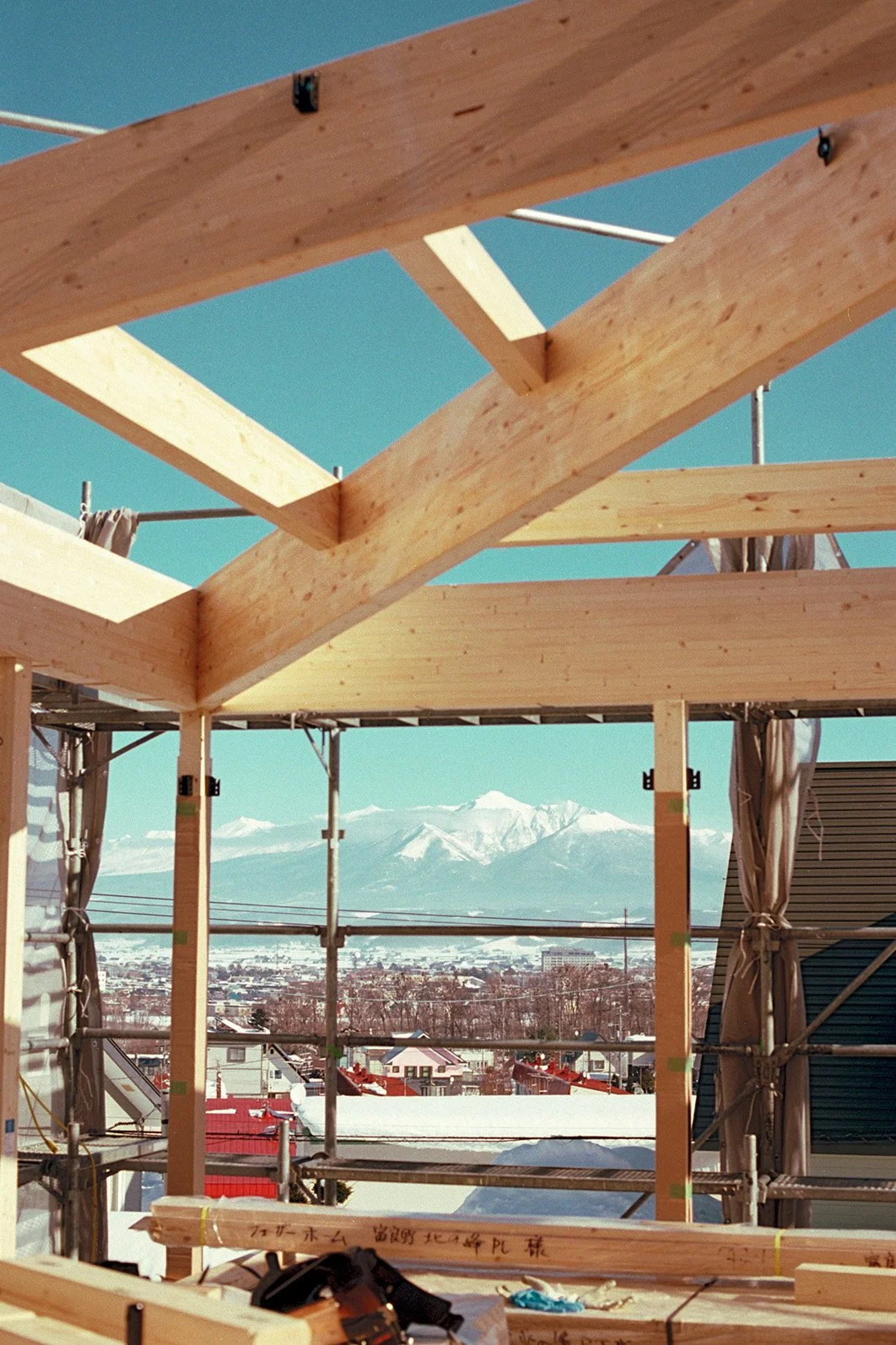
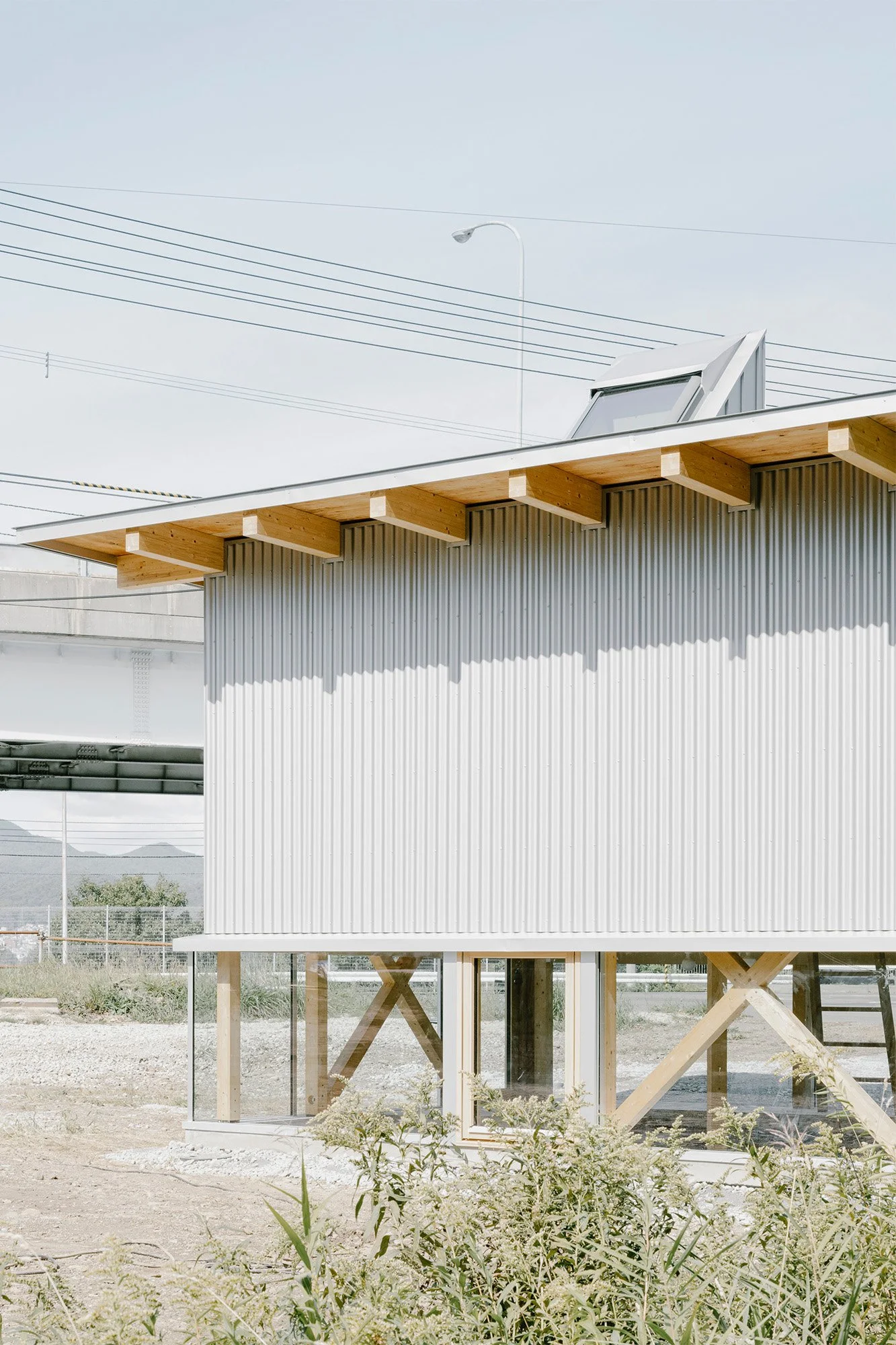
構造は建物においてとても重要です。間取りや家具の配置も全て構造に関係します。もちろん人間を雨風から守る役割や、耐震性等の基準は重要ですが、同時にライフスタイルの変化に応じて部屋の役割や使い方が変わる時、生活の振る舞いの骨格となるようにあらかじめ構造を検討することで、より長い時間生き続ける建物を造ることが可能となります。
Structure is an essential part of architecture.
How spaces and rooms are arranged and where furniture goes are closely tied to a building’s structure.
A building’s structure does more than protect people from weather, natural elements,or meet earthquake standards.
It should also be ready for change. As people’s lives and needs shift, the structure provides the framework that supports how they live.
By thinking about structure from the start, we aim to design flexible buildings that can adapt and last for many years.
・Design & Dialogue
良いデザインとは暮らしを豊かにするあらゆる決定事項の総体であると考えます。私たちはクライアントに対しプロの目線で様々な提案はしますが、それは決して押付けではありません。むしろクライアントとの対話の中で出てくる何気ない言葉や感性がデザインに直結することもあります。そのような繰り返される対話の中でこそデザインは自ずと決まるものだと思うのです。私たちはそれらの対話の集積を整理しながら具体的な形に落とし込んでいきます。ギリギリまでより良い方向性を検討する分の時間はかかりますが、そのように生まれた建築は住まい手が自由を感じることのできる、幸せに満ちた居場所となり得るのです。
We believe good design comes from many small decisions that make daily life better.
We offer our expertise and ideas for each project, but we never force a design. Often, it is the simple comments, feelings, or ideas that come up in conversations with clients that shape the final result.
Design takes shape through ongoing conversations. Our job is to guide these conversations and turn them into real built environments. This process can take time, as we continue to look for the best solutions until the end.
But buildings created this way can become places of freedom, where people truly feel comfortable.
・Cost & Longevity
昨今の物価の高騰に伴い、建築資材も同様に高騰し続けています。最終図面が上がり、出てきた見積もり内容が予算と合わないこともあります。そのような状況で家を建てる時、少しだけ考え方を変えてみることも大事だと感じます。例えば、家を少しだけ小さく建てるとすればどうなるでしょうか?家を小さくする分床面積が小さくなるので、まずは全体のコストを抑えることが可能です。エネルギーの側面から考慮しても、熱損失が少なく冷暖房効率も上がるため、ランニングコストも有利に働きます。また、各部屋を小さくすることでメンテナンス性も高まり、同時にメインの部屋を少し大きくすることでメリハリが生まれ、空間がより開放的に感じられたりもします。さらに、仕上げに関しても高級なものを使わずとも、質感のある素材を上手く組みわせることで、上質な空間を生み出すことも可能です。このように、小さく建てることや、ローコストであることは必ずしも悪いことでは無く、むしろ長いスパンで考えた時にはとても有利になる知恵が含まれているとも言えます。
As material costs continue to rise, it has become more challenging to align design goals with the budget.
If the final plans cost more than expected, we often need to rethink our approach. However, these budget constraints canact as powerful catalysts for creativity.
One way is to build a smaller and smarter home. A smaller floor area lowers building costs, saves energy, and cuts long-term expenses. By embracing these limitations, we can discover innovative design solutionsthat make the most of available resources. Smaller rooms are also easier to maintain. At the same time, making one main space larger can add contrast and make the home feel more open.
Even without costly finishes, using materials with depth and texturecan create spaces that feel lasting and high-quality.
Building smaller yet smarter or sticking to a budget is not a drawback. Over time, it can be a smart and lasting choice.